
Introduction: Why Human Papilloma Virus (HPV) Deserves Your Attention
The Human Papilloma Virus (HPV) is one of the most common infections in the world — yet it remains one of the least understood. Millions of people carry the virus without knowing it. In most cases, it causes no symptoms and disappears naturally. But in some cases, it can lead to genital warts, precancerous changes, and even life-threatening cancers.
HPV is responsible for nearly all cases of cervical cancer and plays a major role in throat, anal, penile, vaginal, and vulvar cancers. Despite this, awareness remains surprisingly low — especially among men.
This comprehensive guide will walk you through:
✅ How it spreads
✅ The link between HPV and cancer
✅ Symptoms in men and women
✅Testing and diagnosis
✅ Treatment options
✅ The HPV vaccine
✅ Prevention strategies
✅ Myths and misconceptions
If there is one infection you should understand clearly for long-term health, it is HPV.
⮚ What Exactly Is Human Papilloma Virus (HPV)?
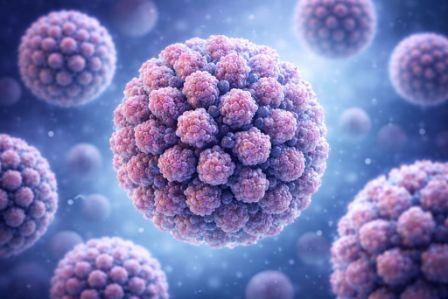
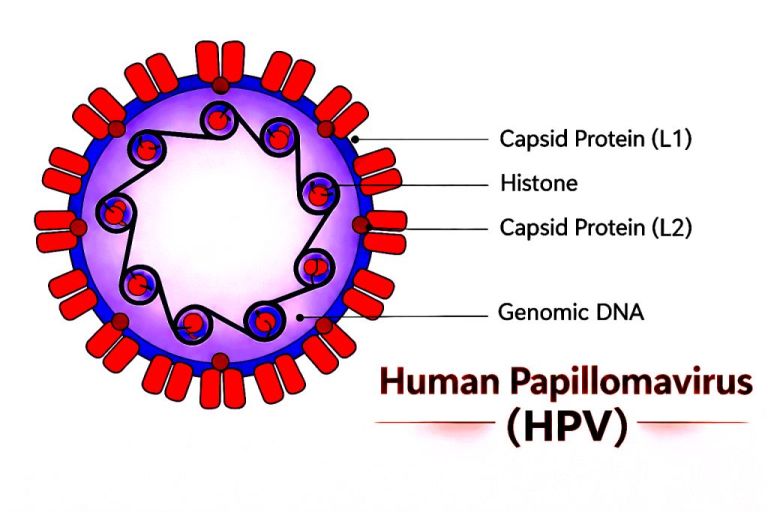
Human Papilloma Virus (HPV) is a group of more than 200 related viruses. It belongs to the Papillomaviridae family and is classified as a DNA virus.
These viruses infect skin and mucous membranes. Some types cause harmless skin warts, while others infect the genital area and may lead to serious complications.
HPV is so common that most sexually active individuals will be infected at least once in their lifetime — often without ever knowing it.
⮚ Why Is HPV Called a “Silent Infection”?
In approximately 90% of cases, the immune system clears the virus naturally within 1–2 years. There are no visible symptoms, no pain, and no warning signs.
However, certain high-risk types can persist in the body and gradually cause cellular changes that may lead to cancer years — sometimes decades — later.
⮚ Types of HPV: Low-Risk vs High-Risk Strains:
HPV types are broadly classified into two categories:
1. Low-Risk HPV Types
These types are not associated with cancer but may cause:
- Genital warts
- Skin warts
- Mild cervical cell changes
The most common low-risk types are HPV 6 and HPV 11. They are responsible for the majority of genital warts cases.
2. High-Risk HPV Types
High-risk strains are oncogenic, meaning they can cause cancer. The most significant high-risk types are HPV 16 and HPV 18. Together, they account for the majority of cervical cancer cases worldwide.
Other high-risk types include 31, 33, 45, 52, and 58.
Persistent infection with these strains can cause abnormal cell growth, eventually progressing to cancer if not detected and managed early.
⮚ How Is HPV Transmitted?
HPV spreads primarily through skin-to-skin intimate contact.
➥Modes of Transmission:
- Vaginal sex
- Anal sex
- Oral sex
- Genital-to-genital contact without penetration
- Rarely, from mother to baby during childbirth
HPV does not require penetration to spread. Even minimal intimate contact can transmit the virus.
✱ Can Condoms Prevent HPV?
Condoms reduce the risk significantly but do not eliminate it entirely because HPV can infect areas not covered by condoms.