
Introduction: Why Human Papilloma Virus (HPV) Deserves Your Attention
The Human Papilloma Virus (HPV) is one of the most common infections in the world — yet it remains one of the least understood. Millions of people carry the virus without knowing it. In most cases, it causes no symptoms and disappears naturally. But in some cases, it can lead to genital warts, precancerous changes, and even life-threatening cancers.
HPV is responsible for nearly all cases of cervical cancer and plays a major role in throat, anal, penile, vaginal, and vulvar cancers. Despite this, awareness remains surprisingly low — especially among men.
This comprehensive guide will walk you through:
✅ How it spreads
✅ The link between HPV and cancer
✅ Symptoms in men and women
✅Testing and diagnosis
✅ Treatment options
✅ The HPV vaccine
✅ Prevention strategies
✅ Myths and misconceptions
If there is one infection you should understand clearly for long-term health, it is HPV.
⮚ What Exactly Is Human Papilloma Virus (HPV)?
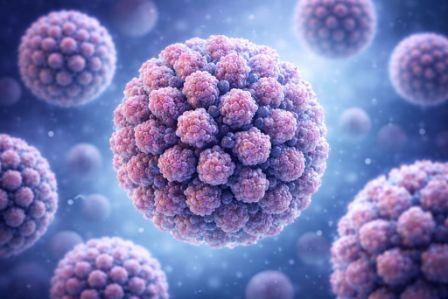
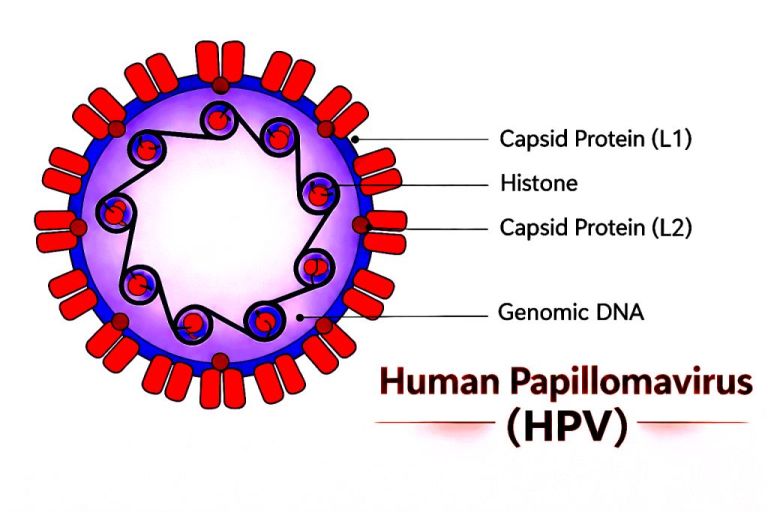
Human Papilloma Virus (HPV) is a group of more than 200 related viruses. It belongs to the Papillomaviridae family and is classified as a DNA virus.
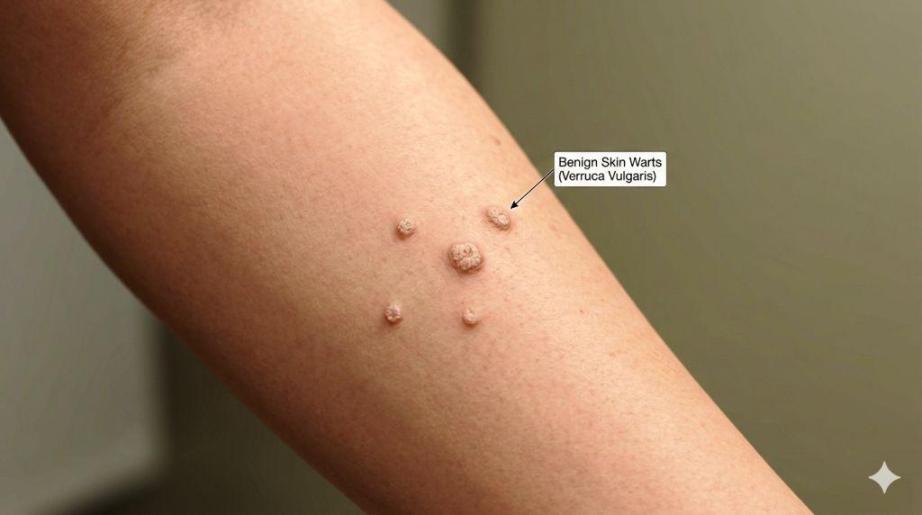
These viruses infect skin and mucous membranes. Some types cause harmless skin warts, while others infect the genital area and may lead to serious complications.
HPV is so common that most sexually active individuals will be infected at least once in their lifetime — often without ever knowing it.
⮚ Why Is HPV Called a “Silent Infection”?
In approximately 90% of cases, the immune system clears the virus naturally within 1–2 years. There are no visible symptoms, no pain, and no warning signs.
However, certain high-risk types can persist in the body and gradually cause cellular changes that may lead to cancer years — sometimes decades — later.
⮚ Types of HPV: Low-Risk vs High-Risk Strains:
HPV types are broadly classified into two categories:
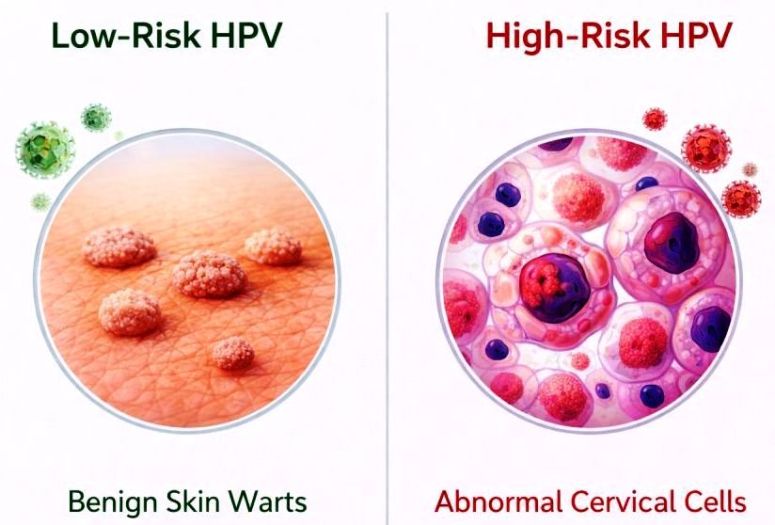
1. Low-Risk HPV Types
These types are not associated with cancer but may cause:
- Genital warts
- Skin warts
- Mild cervical cell changes
The most common low-risk types are HPV 6 and HPV 11. They are responsible for the majority of genital warts cases.
2. High-Risk HPV Types
High-risk strains are oncogenic, meaning they can cause cancer. The most significant high-risk types are HPV 16 and HPV 18. Together, they account for the majority of cervical cancer cases worldwide.
Other high-risk types include 31, 33, 45, 52, and 58.
Persistent infection with these strains can cause abnormal cell growth, eventually progressing to cancer if not detected and managed early.
⮚ How Is HPV Transmitted?
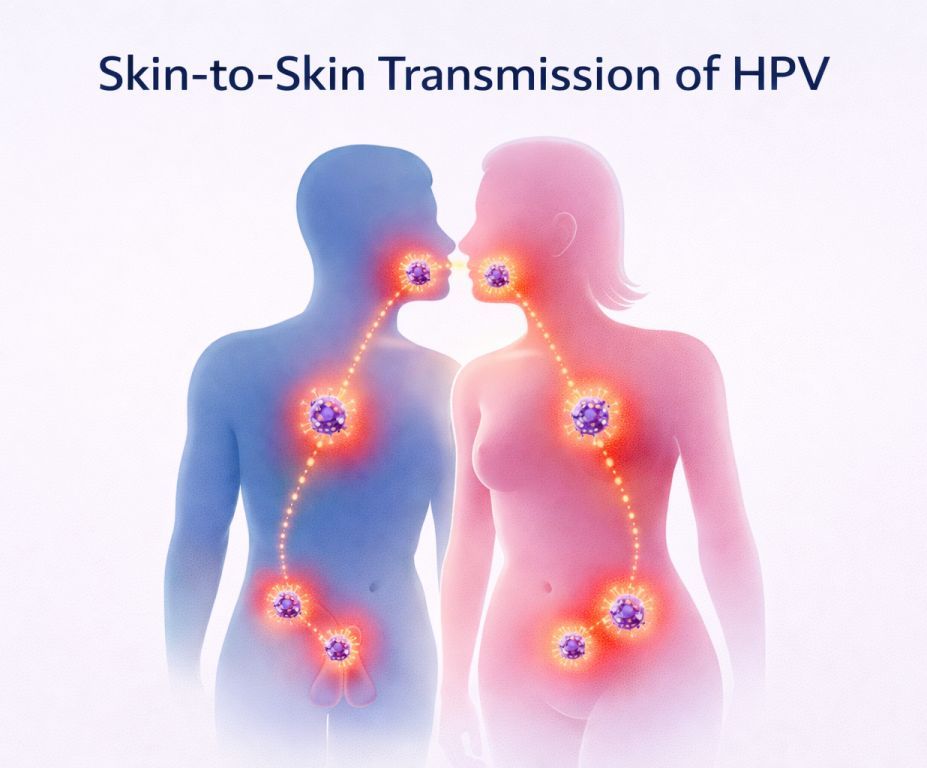
HPV spreads primarily through skin-to-skin intimate contact.
➥Modes of Transmission:
- Vaginal sex
- Anal sex
- Oral sex
- Genital-to-genital contact without penetration
- Rarely, from mother to baby during childbirth
HPV does not require penetration to spread. Even minimal intimate contact can transmit the virus.
✱ Can Condoms Prevent HPV?
Condoms reduce the risk significantly but do not eliminate it entirely because HPV can infect areas not covered by condoms.
⮚ Who Is at Risk?
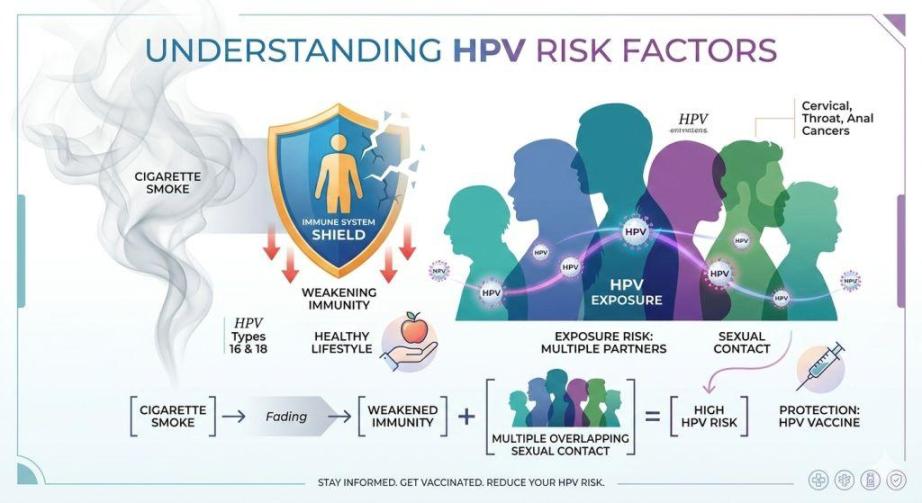
Anyone who is sexually active can get HPV. However, certain factors increase risk:
- Early sexual activity
- Multiple sexual partners
- A partner with multiple previous partners
- Weak immune system
- Smoking
- Lack of vaccination
It’s important to understand that HPV infection does not imply promiscuity. Even one partner can transmit the virus.
⮚ Signs and Symptoms of HPV
✱ Most People Have No Symptoms
The majority of infections are asymptomatic. This is why regular screening is essential.
➥ Genital Warts
When symptoms appear, they often present as:
- Small, flesh-colored or gray swellings
- Clustered bumps resembling cauliflower
- Itching or mild discomfort (occasionally)
In women, warts may appear on the vulva, cervix, vagina, or around the anus.
In men, they may appear on the penis, scrotum, or around the anus.
➥ Cancer-Related Symptoms
✱ Symptoms depend on the cancer type:
➔ Cervical Cancer
- Abnormal vaginal bleeding
- Bleeding after intercourse
- Pelvic pain
➔ Throat (Oropharyngeal) Cancer
- Persistent sore throat
- Difficulty swallowing
- Hoarseness
➔ Anal Cancer
- Rectal bleeding
- Pain
- Lumps
➔ Penile Cancer
- Changes in skin color or thickness
- Growth or sore on penis
Symptoms often appear late, reinforcing the need for screening.
✲ HPV and Cancer: Understanding the Link
HPV is not automatically cancerous. Cancer develops only when high-risk strains persist in the body for years.
➥ How Does HPV Cause Cancer?
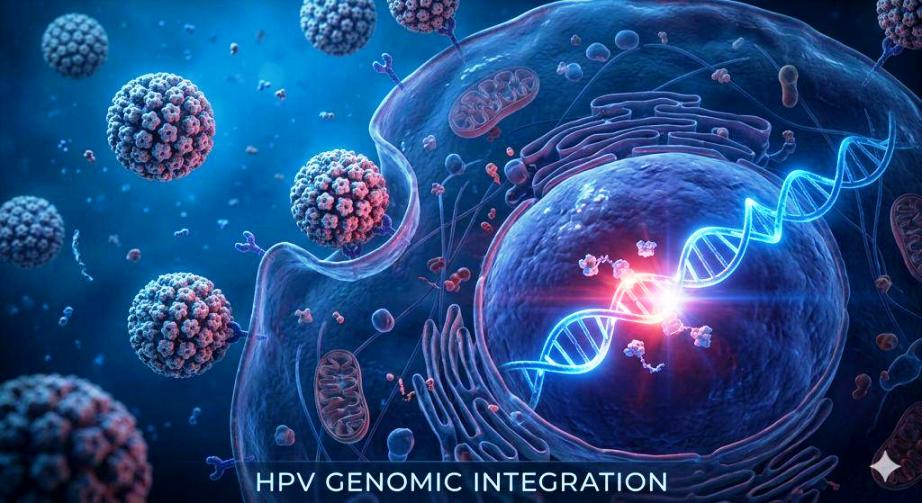
- High-risk HPV infects epithelial cells.
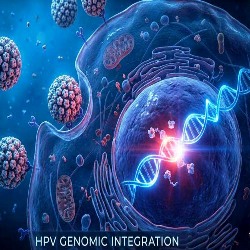
- Viral DNA integrates into host cells.
- It disrupts tumor suppressor genes (p53 and Rb).
- Cells multiply uncontrollably.
- Precancerous lesions develop.
- Untreated lesions may progress to cancer.
This process can take 10–20 years.
⮚ HPV in Women:
Women face the highest burden of HPV-related disease due to cervical cancer risk.
◉ Cervical Cancer
HPV causes nearly all cases of cervical cancer. Persistent infection leads to precancerous changes called cervical dysplasia.
◉ Importance of Pap Smear
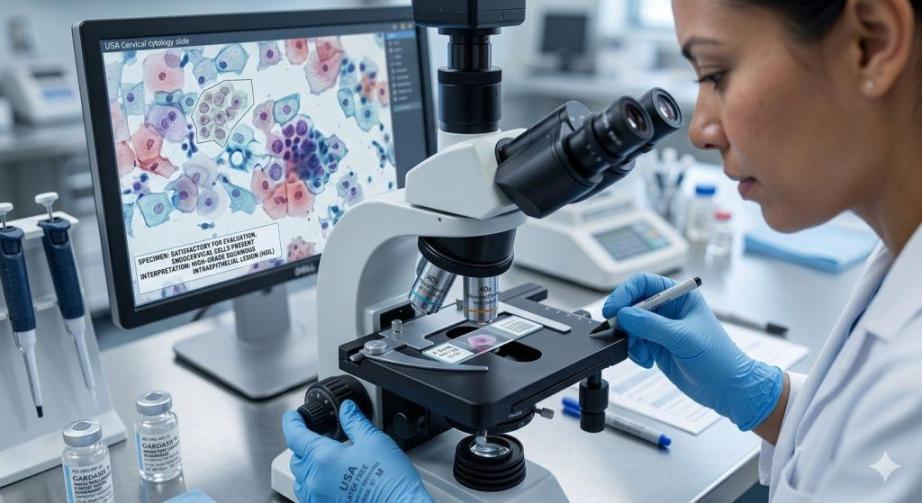
Pap smear detects abnormal cervical cells before cancer develops. Regular screening dramatically reduces mortality.
◉ HPV Testing
HPV DNA tests identify high-risk strains before cellular changes occur.
◉ HPV and Pregnancy
HPV rarely affects pregnancy outcomes. Most infections do not harm the baby.

⮚ HPV in Men
HPV awareness among men remains low.
Men can develop:
- Genital warts
- Anal cancer
- Throat cancer
- Penile cancer
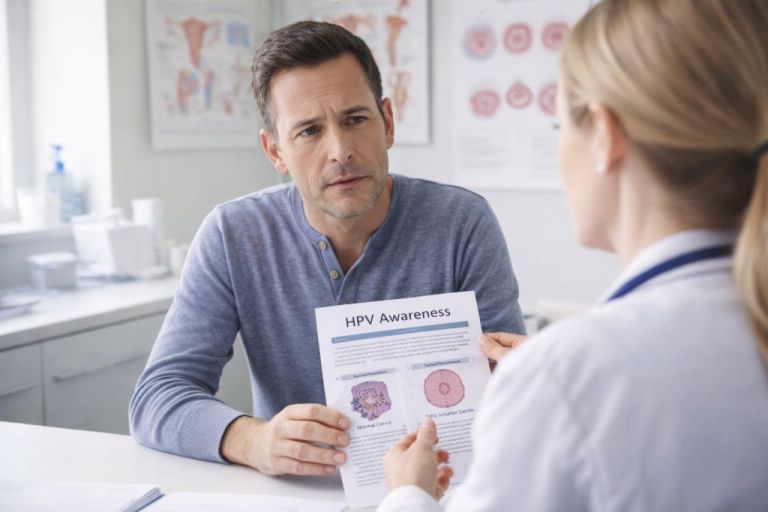
There is currently no approved routine HPV screening test for men, making vaccination especially important.
⮚ Treatment Options
There is no cure for HPV itself, but its effects can be treated.
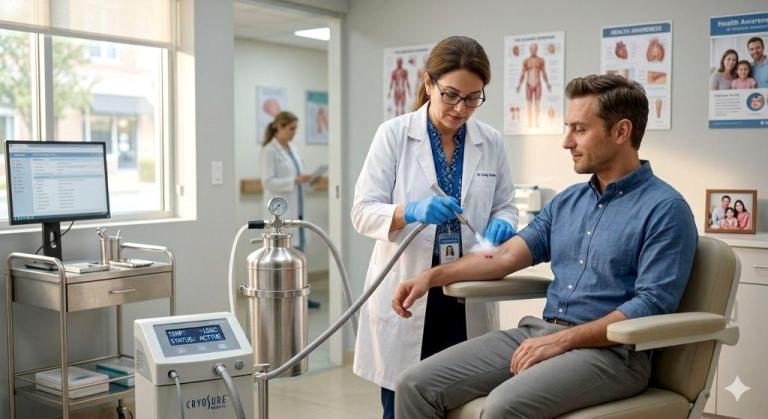
➥ Treatment for Genital Warts
- Prescription creams
- Cryotherapy (freezing)
- Surgical removal
- Laser therapy
➥ Treatment for Precancerous Lesions
- LEEP procedure
- Cone biopsy
- Close monitoring
➥ Cancer Treatment
- Surgery
- Chemotherapy
- Radiation therapy
- Targeted therapy
Early detection significantly improves survival rates.

⮚ HPV Vaccine: The Most Powerful Prevention Tool
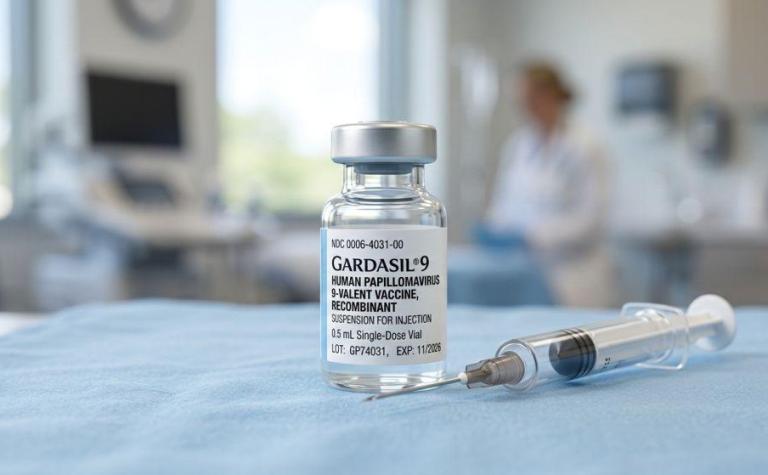
The HPV vaccine is one of the most effective cancer-prevention vaccines ever developed.
➥ How It Works
The vaccine stimulates the immune system to produce antibodies against high-risk HPV types.
➥ Who Should Get Vaccinated?
- Boys and girls aged 9–14 (ideal age)
- Individuals up to age 26 (catch-up vaccination)
- Adults 27–45 after medical consultation
➥ Dosing Schedule
- 2 doses for ages 9–14
- 3 doses for older individuals
➥ Effectiveness
The vaccine prevents nearly all cervical cancers caused by vaccine-covered strains.
➥ Safety
Extensively studied. Side effects are generally mild (pain at injection site, mild fever).
⮚ Prevention Strategies Beyond Vaccination
- Consistent condom use
- Limiting sexual partners
- Regular screening
- Smoking cessation
- Maintaining strong immune health
Prevention is a combination of vaccination and responsible health practices.
⮚ Common Myths About HPV
Myth 1: Only women get HPV.
False. Men are equally susceptible.
Myth 2: HPV always causes cancer.
False. Most infections clear naturally.
Myth 3: Vaccination promotes risky behavior.
No scientific evidence supports this claim.
Myth 4: You can tell if someone has HPV.
Most people show no symptoms.
⮚ Global HPV Statistics
- Most sexually active people will contract HPV at some point.
- Cervical cancer remains one of the leading causes of cancer death among women in low- and middle-income countries.
- Vaccination programs significantly reduce infection rates.
⮚ When Should You See a Doctor?
- Abnormal bleeding
- Persistent genital warts
- Pelvic pain
- Difficulty swallowing
- Any unusual growths
Routine screening is recommended even without symptoms.
⮚ Frequently Asked Questions (FAQ)
➥ Can HPV go away on its own?
Yes, in most cases.
➥ How long does HPV last?
Usually 1–2 years, but high-risk types may persist.
➥ Can you get HPV in a monogamous relationship?
Yes, infection may remain dormant for years.
➥ Does HPV affect fertility?
Generally no, unless advanced cancer develops.
➥ Can virgins get HPV?
Rarely, through non-penetrative skin contact.
⮚ Final Thoughts: Awareness Saves Lives
Human Papilloma Virus is common, preventable, and manageable — yet potentially deadly if ignored.
Vaccination, screening, and open conversations are powerful tools against HPV-related cancers.
The key message is simple:
- Get vaccinated.
- Get screened.
- Stay informed.
Knowledge and prevention together can dramatically reduce HPV-related disease worldwide.